FMCG Trade Scheme Management: How to Avoid Costly Mistakes
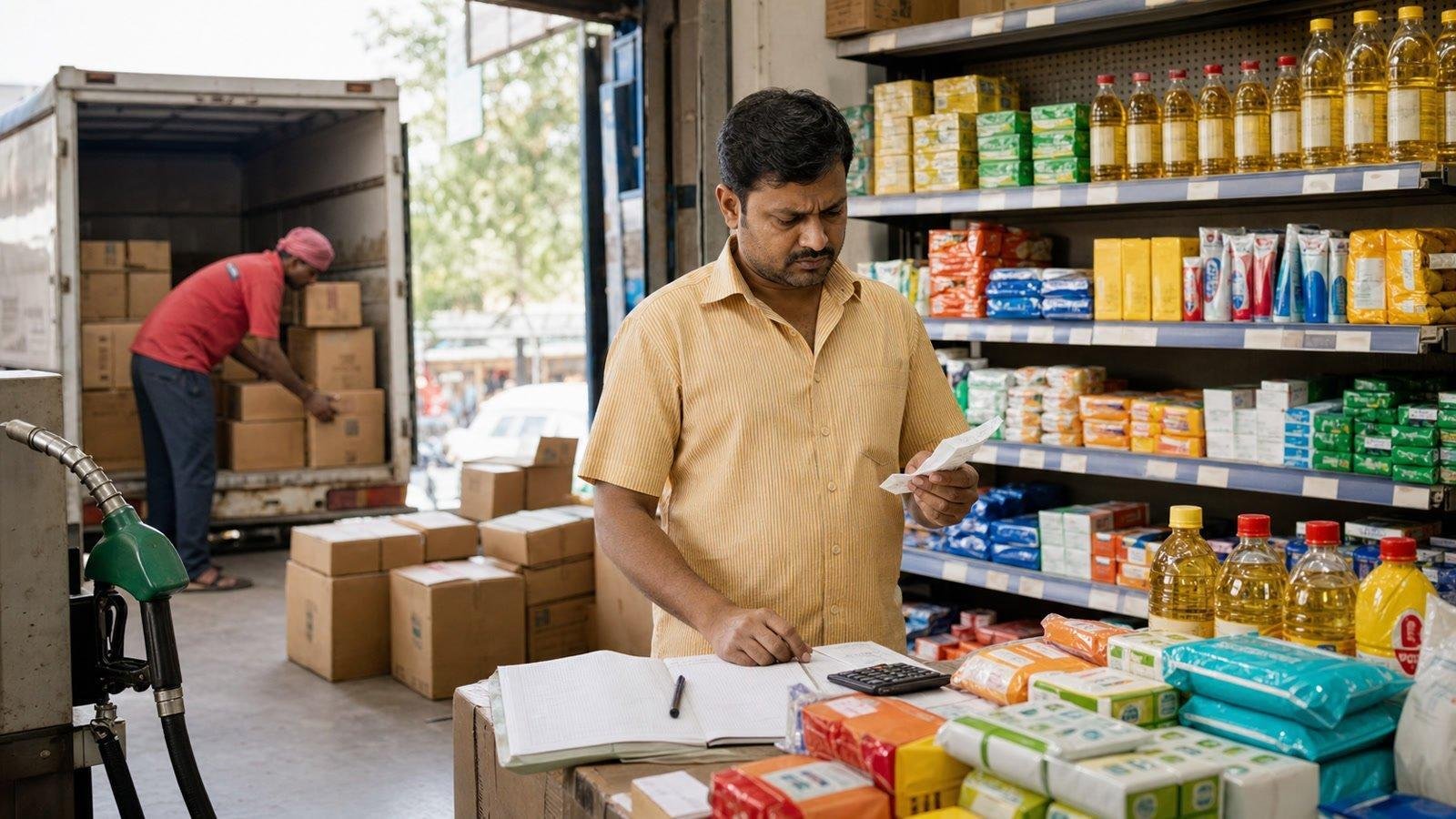
Trade schemes help FMCG distributors encourage larger orders and move products faster. But when offers are managed through WhatsApp messages, phone calls, and manual billing, things can easily go wrong.
Imagine a retailer ordering 10 cartons under a Buy 10 Get 1 Free offer. The order is confirmed, but the free carton is missing from the invoice.
The mistake is discovered during delivery, leading to phone calls, corrections, and delays.
Problems like this can be avoided when promotional offers are clearly communicated and properly managed.
1. Why Manual Trade Schemes Create Problems
A distributor may handle several promotions at the same time, each with different products, quantities, and discount conditions.
Keeping track of every offer manually becomes difficult, especially when orders come from multiple retailers.
Common problems include:
- Retailers requesting discounts without meeting the required quantity.
- Staff forgetting to apply eligible offers.
- Incorrect promotional prices appearing on invoices.
The simplest improvement is to define clear rules for every promotion, including eligibility, minimum quantities, and validity dates.
Using rule-based pricing and promotions can also help businesses apply these conditions consistently.
2. Make Offers Easy for Retailers to Understand
A good promotion is useful only when retailers know about it.
However, offers shared through WhatsApp can easily get buried under other messages.
Displaying discounts directly while retailers place orders makes them easier to notice.
For example, if a retailer adds eight cartons to their order, they could see that ordering two more qualifies them for a lower price.
This gives customers useful information at the right time without requiring them to contact the distributor.
Businesses can explore volume discounts and product bundles to understand how these offers can be organised within a digital ordering process.
3. Check Whether Discounts Are Profitable
Selling more products doesn't always mean earning more profit.
Suppose a distributor normally purchases a carton for ₹450 and sells it for ₹500.
The gross profit is ₹50 per carton before operating expenses.
During a promotion, the selling price is reduced to ₹475.
Now the gross profit is only ₹25 per carton.
The distributor would need to sell twice as many cartons to earn the same total gross profit, assuming the purchase cost remains unchanged.
This is why every trade scheme should have a clear purpose, whether it is increasing order quantities, moving slow stock, or encouraging retailers to try selected products.
4. Review Results Before Running Another Promotion
Once a campaign ends, distributors should check what actually changed.
Did more retailers place orders? Did slow-moving products sell faster? Was the additional sales volume worth the promotional cost?
These answers can help wholesalers decide which offers should be repeated and which need adjustment.
Instead of judging a promotion only by total sales, reviewing product movement, customer participation, and gross profit gives a more useful picture.
Grocery sales analytics can help businesses review sales patterns and make more informed promotional decisions.
Frequently Asked Questions
1. What is FMCG trade scheme management?
It is the process of planning, applying, and reviewing promotional offers such as bulk discounts, free products, and special wholesale prices.
2. How can wholesalers avoid trade scheme billing mistakes?
By setting clear promotional conditions, checking eligible discounts before order confirmation, and keeping order and invoice details consistent.
3. How do distributors know if a trade promotion is successful?
They should compare sales volume, gross profit, retailer participation, and inventory movement before and after the promotion.
Conclusion
Effective trade scheme management is not about giving retailers more discounts.
It is about making offers easy to understand, applying them correctly, and checking whether they deliver real business value.
For grocery wholesalers, even small improvements in pricing accuracy and promotional planning can make everyday operations easier.
A structured grocery ordering platform can help businesses manage these activities as their operations grow.