How to Reduce Delivery Delays in Grocery Wholesale Distribution
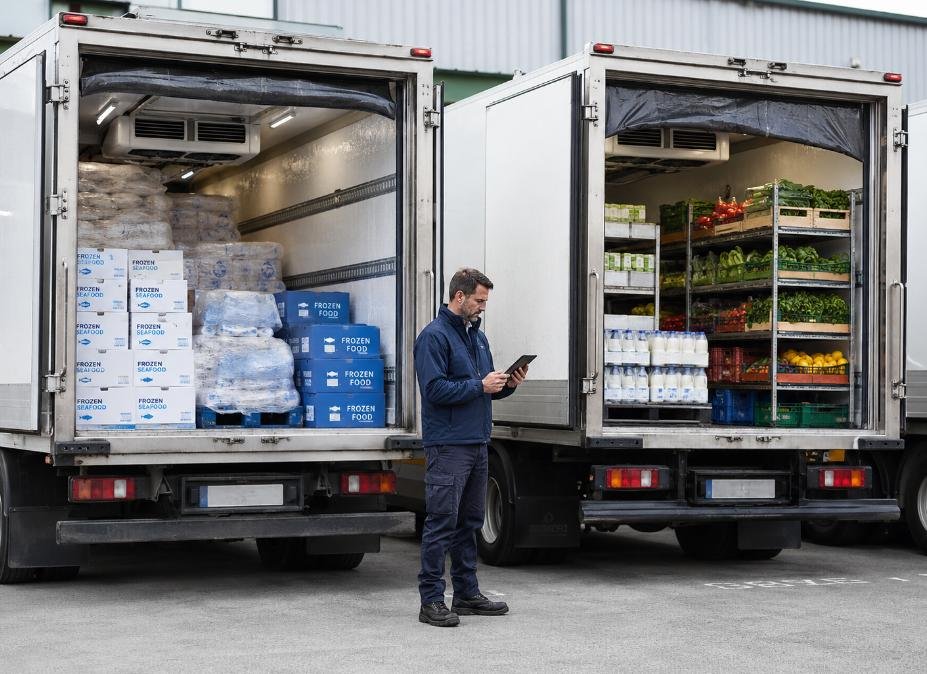
A grocery retailer expects an order in the morning, but the delivery arrives late in the afternoon. This can affect shelf availability, daily sales and customer relationships.
For wholesalers, such delays often begin long before the delivery vehicle leaves the warehouse.
Effective grocery wholesale delivery management depends on clear order schedules, organized dispatch processes and timely communication.
Here are five practical ways to improve delivery reliability.
1. Set Clear Order Cut-Off Times
When orders arrive just before dispatch, warehouse teams may struggle to prepare them on time.
Set daily order cut-off times and communicate them clearly to retail customers. For example, orders received before 4 PM could be scheduled for the next delivery day, depending on your operations.
This gives employees enough time to review and prepare orders.
2. Organize Orders Before Dispatch
Preparing orders without a clear schedule can result in missed items, incorrect loading and unnecessary delays.
Group orders by delivery location, scheduled date and vehicle capacity.
A simple dispatch checklist can help employees verify products, quantities and customer details before loading.
3. Plan Delivery Routes Carefully
Poor route planning can increase travel time and fuel costs.
Instead of assigning deliveries randomly, group nearby retail customers and consider traffic conditions, delivery windows and vehicle capacity.
For distributors serving multiple locations, better route planning can make wholesale dispatch management more predictable.
4. Keep Retail Customers Informed
Unexpected delays are sometimes unavoidable. However, poor communication can make them more frustrating.
Let customers know when their delivery is scheduled and inform them promptly if the expected arrival time changes.
Clear delivery updates help retailers plan their receiving activities and reduce unnecessary follow-up calls.
5. Review Delivery Problems Regularly
If deliveries are frequently delayed, identify where the problem begins.
Check whether delays occur during order preparation, warehouse loading, transportation or customer receiving.
Tracking recurring issues can help wholesalers improve distributor order fulfilment and make better scheduling decisions.
How Digital Ordering Supports Delivery Planning
Delivery efficiency also depends on having accurate customer orders ready for processing.
A structured B2B ordering platform can help wholesalers organize incoming orders, product details and customer information before fulfilment.
Explore Slot Store's wholesale solutions to understand how digital ordering can fit into your grocery distribution workflow.
Conclusion
Reliable grocery deliveries start with better planning. Clear order cut-off times, organized dispatch schedules and timely customer updates can help wholesalers avoid unnecessary delays.
Explore Slot Store to learn how digital B2B ordering can support your wholesale operations.
ready to automate your grocery orders & delivery slots?
GoSlot Store equips supermarket chains and wholesale distributors with scheduled delivery capacity windows, automated wholesale tiers, and zero sales commission.