B2B Grocery Order Management: Common Problems and Practical Solutions
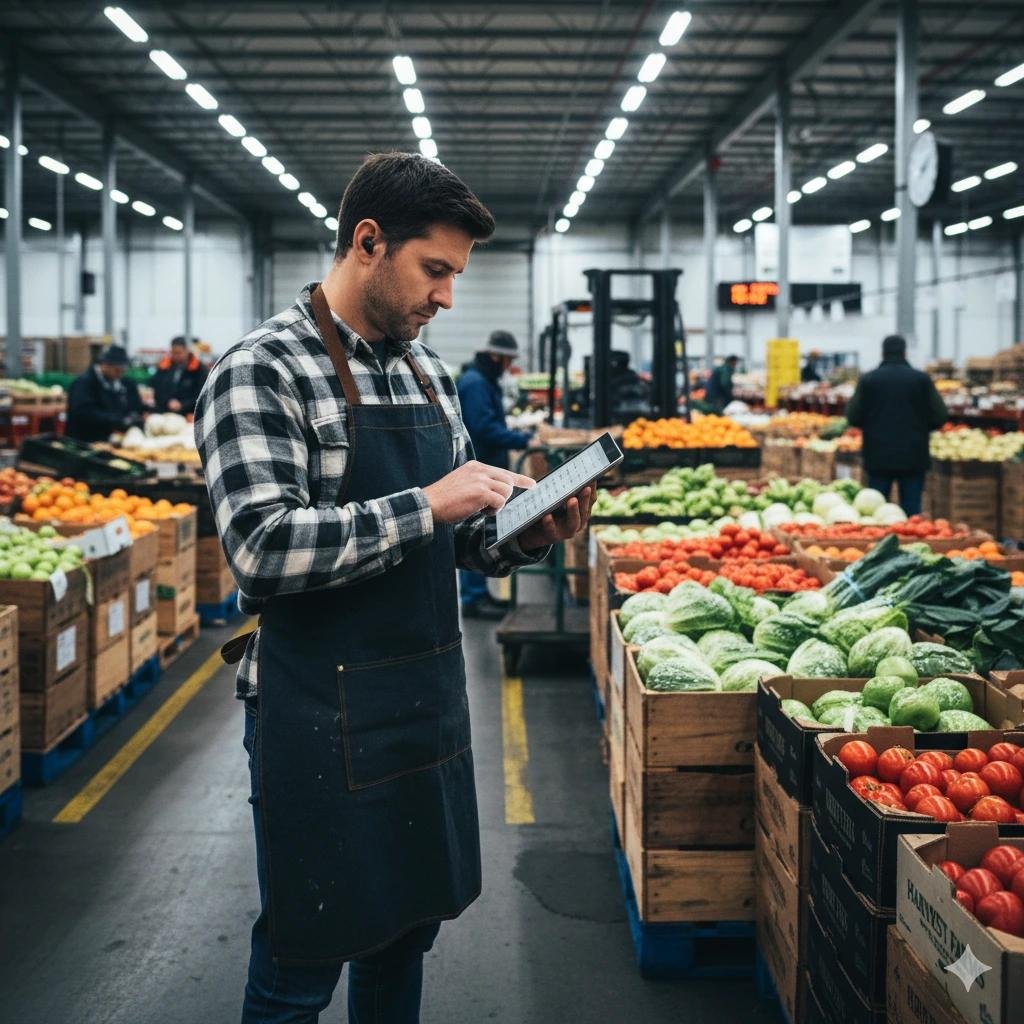
A grocery wholesaler may receive orders from restaurants, retailers and small businesses throughout the day. Some customers call, others send WhatsApp messages, and a few share handwritten lists.
Managing these orders might seem simple at first. But as order volumes increase, keeping track of quantities, customer pricing and delivery schedules becomes more challenging.
Effective B2B grocery order management helps wholesalers organise orders, reduce manual errors and make purchasing easier for business customers.
Managing Orders From Different Channels
A restaurant might place an order through WhatsApp, change the quantity over a phone call and request additional items later.
Without a clear order record, important details can easily be missed.
A structured B2B grocery ordering system allows customers to browse products, confirm quantities and place orders through one platform.
Businesses moving away from manual order collection can explore Slot Store's digital ordering features for a more organised approach.
Keeping Wholesale Pricing Accurate
Grocery wholesalers often offer different rates to retailers, restaurants and bulk buyers.
For example, a customer purchasing five crates of vegetables may receive a different price from someone ordering twenty crates.
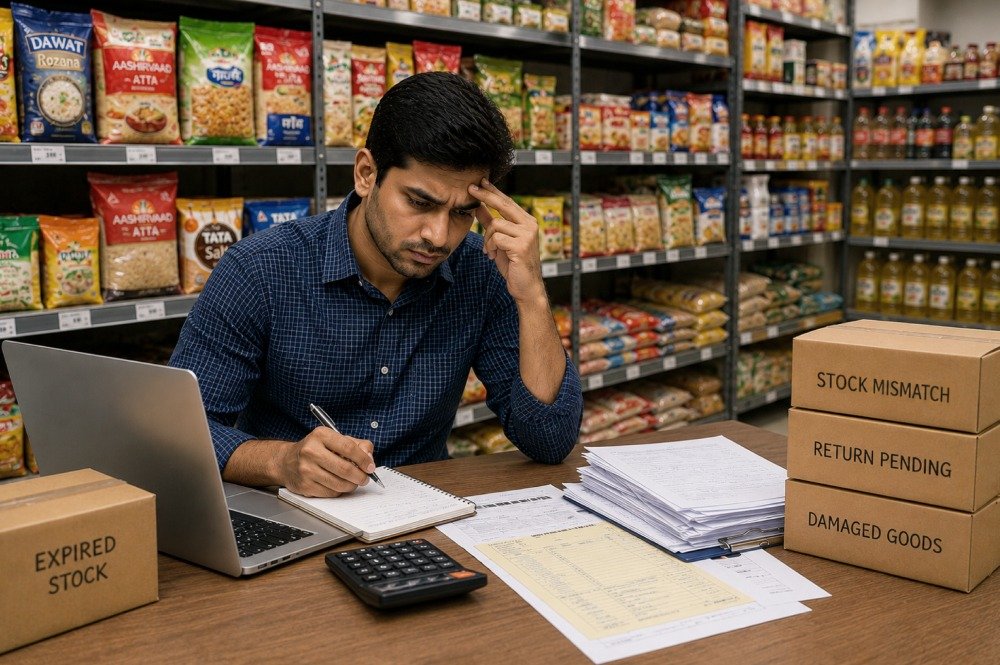
Managing these agreements manually can lead to pricing errors.
Customer-specific pricing helps businesses apply appropriate rates based on buyer groups and order quantities.
Slot Store's wholesale solutions support customer pricing tiers and bulk-order requirements for commercial buyers.
Connecting Inventory With Incoming Orders
Accepting an order without checking stock availability can create problems during fulfilment.
A wholesaler may confirm ten bags of rice only to discover that six are available.
Connecting wholesale inventory management with the ordering process helps businesses maintain more accurate stock information.
Updated inventory records also make it easier to identify shortages before preparing deliveries.
Simplifying Repeat Wholesale Orders
Many business customers purchase similar products every week.
Restaurants regularly need vegetables, dairy products and cooking essentials, while grocery retailers often reorder their fastest-selling items.
Instead of creating a new shopping list each time, customers can reuse previous orders.
A repeat ordering option can make regular wholesale purchasing more convenient and reduce the time spent placing familiar orders.
Organising Grocery Deliveries
Order management doesn't end when a customer completes checkout.
Businesses must also prepare products, manage packing and schedule deliveries.
When too many orders are assigned to the same delivery period, dispatch operations can become difficult to coordinate.
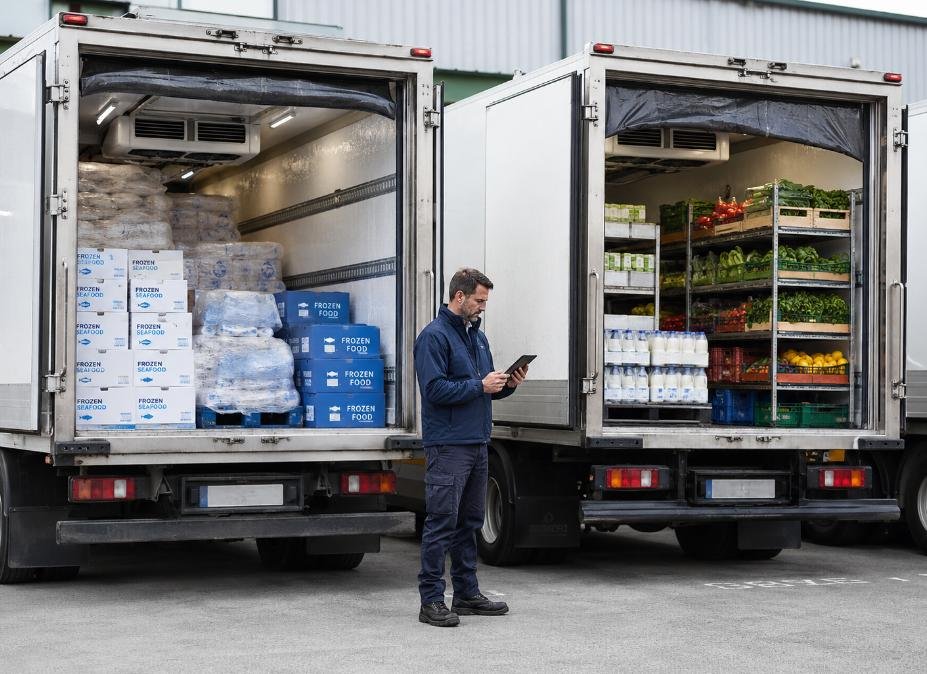
Delivery slot management helps wholesalers distribute orders across available delivery windows and plan dispatches more effectively.
Bringing Wholesale Operations Together
Managing customer orders, pricing, inventory and deliveries through separate systems can create unnecessary administrative work.
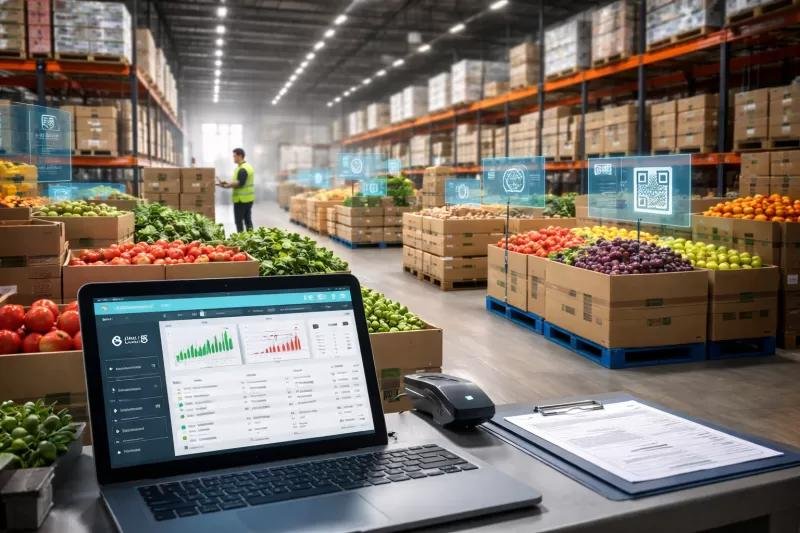
A connected wholesale order management software platform allows businesses to coordinate these activities more efficiently.
For grocery wholesalers and distributors, having clear order records, consistent pricing and better stock visibility can make daily operations easier to manage.
Simplify B2B Grocery Ordering With Slot Store
Explore Slot Store to learn more about managing wholesale grocery orders, customer pricing, inventory and deliveries through a connected platform.
ready to automate your grocery orders & delivery slots?
GoSlot Store equips supermarket chains and wholesale distributors with scheduled delivery capacity windows, automated wholesale tiers, and zero sales commission.