From Local Store to Online Grocery Business: A Practical Guide to Getting Started in India
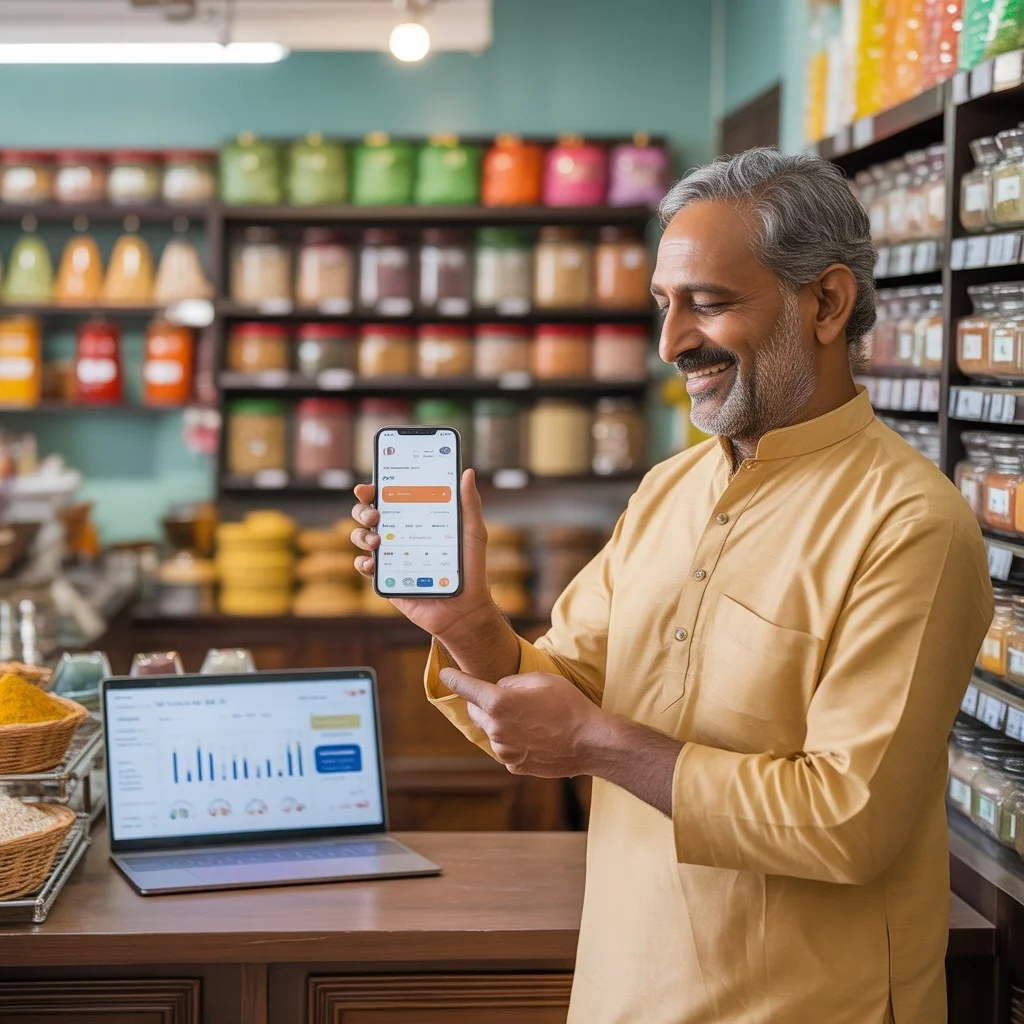
Taking a grocery business online is not simply about putting products on a website. It means deciding what customers should be able to browse, how they should place orders, how pricing and product information will be managed, and how the business will handle those orders after they arrive.
For a local grocery business, the transition can be gradual. You do not need to put every product online on day one. A better approach is to build a useful online ordering experience around the products, customers and daily operations you already understand.
What Does an Online Grocery Store Actually Mean?
An online grocery store gives customers a digital way to discover products and place grocery orders without depending entirely on a physical store visit. Depending on the business model, customers may order for delivery, arrange store pickup, or use the online storefront as an additional ordering channel.
For a local grocery business, this can be as simple as starting with a focused catalogue of commonly purchased products and a straightforward ordering process. The important point is that an online grocery business is not only a website. The customer-facing store is one part of the system. Behind it, the business still needs to manage products, pricing, customers, inventory and orders.
Is Your Grocery Business Ready to Start Taking Orders Online?
There is no single business size at which every grocery store should go online. The better question is whether your current way of serving customers is beginning to create limitations.
• Customers are asking whether they can order without visiting the store.
• Customers want to browse products before deciding what to buy.
• The store is becoming busier, making it harder for staff to handle every customer interaction manually.
• The business wants to serve customers beyond the people who happen to visit the physical store.
• The owner wants a more structured way to manage online orders as the business grows.
You do not need all of these signs. Even one clear customer need can be enough to test online ordering with a focused product range.
Start With Your Product Catalogue
Your product catalogue is the foundation of an online grocery store. If customers cannot quickly understand what is available, they will struggle to order.
Start by organizing products into familiar categories. For example
| Category | Example Products |
| Staples | Rice, flour, pulses, sugar, salt |
| Dairy & Chilled | Milk, curd, butter, cheese |
| Snacks & Beverages | Biscuits, snacks, soft drinks, tea, coffee |
| Household | Cleaning products, paper products, daily-use items |
| Personal Care | Soap, shampoo, toothpaste, grooming products |
Build an Online Storefront That Is Easy to Browse
A grocery customer should not have to learn how your website works. The structure should feel familiar and make it easy to find products, understand basic product information and add items to an order.
Keep the navigation simple. Categories should be easy to understand, product names should be clear, and important information should be visible without unnecessary steps.
A useful online grocery storefront should help a customer move naturally from browsing to ordering rather than making the customer search through a complicated interface.
For businesses looking at a platform that combines online ordering with business-management functions, explore Slot Store’s features.
Give Customers a Straightforward Way to Order
Once products are organized, the next question is how customers will actually place an order.
Browse products → Choose quantities → Review the order → Place the order
The exact process can vary between businesses, but the principle is the same: remove unnecessary back-and-forth.
If every order still depends on a phone call or a series of messages, the business may have created an online catalogue without actually creating an online ordering process.
To understand how online ordering can fit into a broader business workflow, see Slot Store’s online ordering and management features.
Think About Pricing Before You Launch
Pricing can become more complicated when a grocery business serves different types of customers.
A retail grocery store may have one public price structure, while a wholesale or distribution business may need customer-specific pricing or volume-based discounts.
Before launching, decide:
• Will different customers receive different prices?
• Will bulk purchases have different pricing?
• Who will be responsible for updating prices?
Which prices should customers see?
The goal is not to create a complicated pricing system. It is to make sure the pricing shown to customers matches the way the business actually sells.
If you are comparing platforms and costs, you can explore Slot Store’s pricing alongside the features you actually need.
Organize What Happens After an Order Is Placed
Getting an order is only the beginning. The business also needs a clear way to manage what happens next.
Order received → Review → Prepare → Fulfil → Update the customer
If orders are spread across different conversations, spreadsheets and separate records, it can become difficult to know what has already been handled.
A centralized order-management process can make it easier for the team to keep track of incoming orders and what needs attention. For a broader look at how retailers and other businesses can use a structured ordering and management setup, , see Slot Store’s business solutions
Decide How Customers Will Receive Their Orders
Before launch, decide how customers will receive what they purchase.
• Store pickup — customers place the order online and collect it from the physical store.
• Local delivery — the business delivers orders to customers within its service area.
• Both — customers choose the option that works for them.
You do not have to offer every option immediately. Start with the fulfilment method that fits your current operations and expand when the business is ready.
Keep Customers and Orders Organized as the Business Grows
As online ordering increases, customer information and order history become more important.
A structured system can help the business keep customer information, products and orders organized instead of relying on scattered conversations and records. This becomes especially useful when the business has repeat customers, different pricing arrangements, a growing catalogue or a larger volume of orders. See how these areas can be brought together in one workflow through Slot Store’s features.
Make Your Online Grocery Store Easy to Find
Building an online store does not automatically bring customers to it. People need a way to discover the business.
• Google Business Profile
• Search engines
• Instagram and Facebook
• WhatsApp and existing customer relationships
• Local partnerships and community channels
Your website should also make it clear what the business offers, where it operates and how customers can place an order.
For additional practical learning around online ordering and business operations, you can also explore the Slot Store Guides.
Going online does not mean abandoning the physical grocery store. For many local businesses, the two channels can support each other.
A customer may discover the store through Google, browse products online, visit the physical store, or place an order online and collect it later. The objective is to give customers more convenient ways to interact with the same business.
Choose the Right Tools for the Business
The technology you choose should match the way your grocery business operates.
At a minimum, look for a solution that can support the parts of the process you actually need: product management, customer management, pricing, inventory and order management.
For retailers, wholesalers and distributors that want online ordering together with business management,Slot Store brings these functions together in one platform. You can also review the platform’s solutions for different business use cases before deciding whether it fits your workflow.
Prepare Before You Launch
A short preparation phase can prevent many avoidable problems after launch.
Use this checklist before making the online store available to customers:
| Area | What to Prepare | Why It Matters |
| Product catalogue | Categories, names, prices and availability | Makes products easier to browse |
| Ordering | Simple online ordering process | Reduces unnecessary back-and-forth |
| Fulfilment | Pickup, delivery or both are clearly defined | Sets clear customer expectations |
| Operations | Team knows how to receive and manage new orders | Helps prevent missed or delayed orders |
| Area | What to Prepare | Why It Matters |
| Discovery | Website, Google and social channels are ready | Helps customers find the online store |
How Much Should You Put Online at the Beginning?
You do not necessarily need to upload your entire store catalogue on the first day. A focused launch can be easier to manage. Start with products that are:
• Frequently purchased
• Easy to describe
• Regularly available
• Important to your existing customers
Once the process works smoothly, expand the catalogue based on customer demand and the team's ability to manage it.
From Taking Orders Manually to Managing Them Systematically
The biggest change when a grocery business goes online is not simply that customers can see products on a screen. The bigger change is how the business handles the flow of information.
Customer browses → Customer orders → Business receives the order → Team manages fulfilment
That structure becomes increasingly valuable as the number of customers and orders grows.
Slot Store is designed to support this transition by bringing online ordering, products, customers, pricing, inventory and orders into one platform. Learn more about Slot Store.
Final Summary
Starting an online grocery business in India does not have to mean rebuilding the entire business from scratch.
The practical approach is to start with the customer experience, organize the product catalogue, decide how pricing and fulfilment will work, and create a reliable process for managing orders.
The right online ordering setup should make it easier for customers to buy and easier for the business to manage what happens behind every order.
For grocery businesses ready to move beyond purely manual ordering, the next step is to choose a platform and workflow that fits the way the business already operates. . Explore Slot Store.