Serving Retail and Wholesale Customers Online: Can One Ordering System Handle Both?
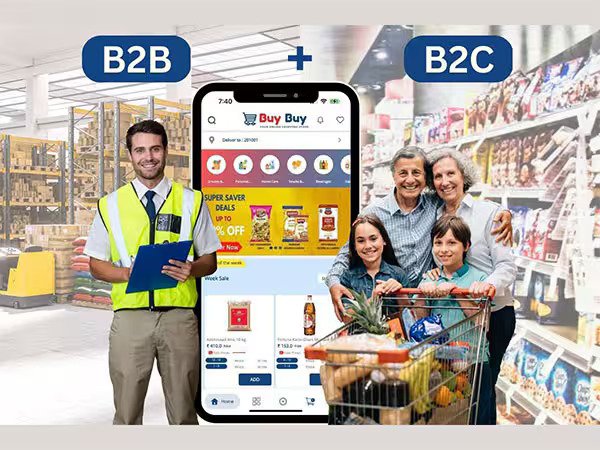
Many grocery businesses serve both everyday shoppers and business buyers.
A household customer may place a small order for personal use. A retailer or business customer may buy in larger quantities, order more often, or need pricing based on an existing agreement.
The products may come from the same catalogue, but the buying experience is not always the same.
Two Customer Types, Two Different Buying Needs
Retail customers usually expect a simple shopping experience.
They want to browse products, check prices, add what they need, and complete the order without extra steps.
Wholesale customers may need something different. Their orders can be larger, more frequent, or based on agreed pricing.
Some may also need bulk rates, customer-specific prices, or a smoother way to place repeat orders.
So the difference is not only about who is buying. It is also about how they buy.
Do You Need Separate Systems for Both?
Not always.
Using separate systems for retail and wholesale can create extra work.
Products may need to be updated in more than one place. Orders may come through different channels. Pricing information may also be managed separately.
A platform that supports both customer types can keep the overall process more organised without forcing every customer into the same buying experience.
Wholesale Customers Often Need More Flexibility
A wholesale buyer may not shop in the same way as a regular consumer.
They may reorder the same products regularly, purchase larger quantities, or expect pricing based on their relationship with the supplier.
For example, a household customer may buy a few grocery items when needed.
A retailer may return every week for the same group of products.
The ordering experience should be able to support both situations without making either one complicated.
Different Pricing Without Separate Price Lists
Pricing is often one of the biggest differences between retail and wholesale customers.
A regular shopper may see the standard retail price, while a business customer may have a wholesale rate, bulk price, or individually agreed price.
When pricing is linked to the customer, the business does not have to rely as heavily on separate spreadsheets or price lists for every order.
Keeping Retail and Wholesale Orders Organised
As the business grows, handling different customer types manually can become difficult.
Retail orders may come through one process, wholesale orders through another, while pricing and customer details are stored elsewhere.
That can make everyday order management harder than it needs to be.
Keeping products, pricing, and orders within a more structured system can make the process easier for the team and clearer for customers.
Where Slot Store Fits
Slot Store is positioned to support both B2B and B2C grocery ordering.
This can help grocery businesses serve different customer types without having to manage completely separate ordering processes.
Conclusion
Retail and wholesale customers may buy differently, but managing them does not always require two separate systems.
The better approach is to give each customer type the experience they need while keeping the business side easier to manage.
For a growing grocery business, that can mean less complexity, clearer pricing, and a more organised way to handle orders.
Explore Slot Store → https://goslot.store/