Can Independent Supermarkets Beat Quick Commerce in 2026?
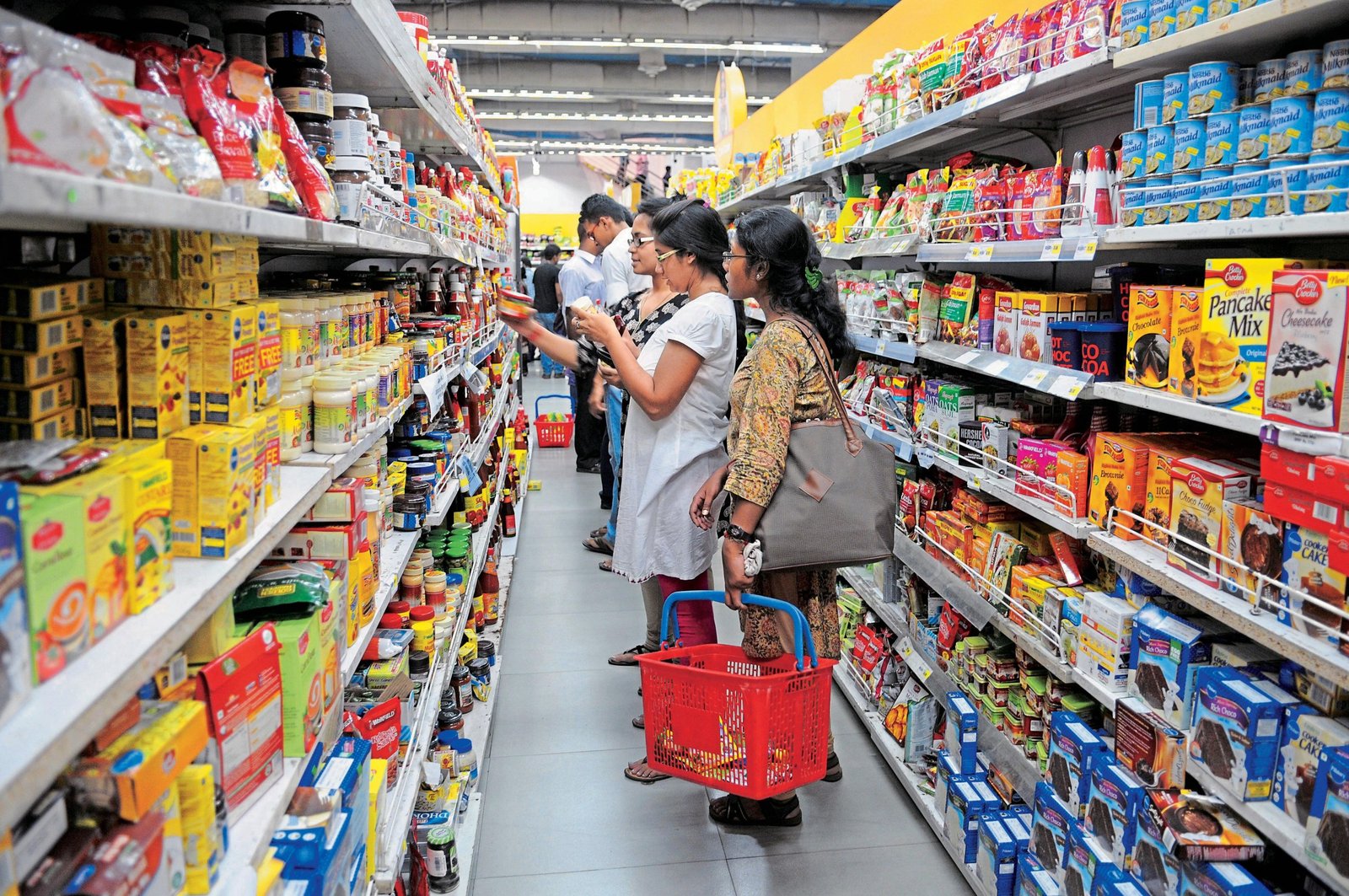
Quick-commerce platforms have changed grocery shopping in India, making fast delivery a familiar option for everyday essentials.
For independent supermarkets, competing on speed alone can be expensive. Delivery costs, marketplace commissions, and increasing operational pressure make it difficult to offer instant delivery while maintaining healthy margins.
However, local supermarkets have advantages that quick-commerce platforms may struggle to match, including established customer relationships, regional product selections, and the ability to serve larger household orders.
Scheduled grocery delivery offers a practical way to build on these strengths without depending entirely on 10-minute delivery.
Why Quick Commerce Is Challenging for Local Supermarkets
Quick-commerce platforms are particularly convenient for customers who need a few products immediately. But the same operating model may not work for every grocery retailer.
Independent supermarkets face several challenges when trying to compete:
- Delivery Expenses: Small, frequent orders can increase packing and transportation costs.
- Marketplace Commissions: Third-party platforms may charge fees that reduce earnings from each order.
- Limited Customer Access: Marketplace sales can restrict opportunities to build direct customer relationships.
- Operational Pressure: Immediate delivery requests can disrupt billing, packing, and in-store service during busy hours.
Instead of adopting an expensive delivery model, supermarkets can focus on reliable service and planned grocery purchases.
What Gives Independent Supermarkets an Advantage?
Local grocery stores already have assets that can support online grocery sales.
Their customers know the store, recognise its product quality, and often return for familiar brands and regional products.
Many supermarkets also maintain broader selections of household groceries, fresh produce, and locally preferred items.
Another advantage is their existing infrastructure. Online orders can be prepared using the same shelves, stockrooms, and staff that support physical store operations.
This makes direct grocery ordering an opportunity to expand customer convenience without necessarily opening separate fulfilment locations.
Scheduled Grocery Delivery: A Smarter Alternative
Scheduled delivery allows customers to select a convenient delivery window rather than expecting every order within minutes.
For example, a supermarket could offer morning deliveries from 8 AM to 10 AM, afternoon deliveries from 1 PM to 3 PM, and evening deliveries from 6 PM to 8 PM.
The store can set order limits for each slot based on staff availability, delivery vehicles, and expected demand.
When a slot reaches capacity, customers can choose another available window.
This approach makes grocery delivery more predictable for both shoppers and store employees.
Five Practical Strategies to Compete with Quick Commerce
1. Organise Orders with Delivery Time Slots
Receiving too many online orders during peak shopping hours can affect both store customers and delivery schedules.
A delivery slot management system helps supermarkets balance workloads by limiting how many orders can be accepted within a particular period.
Staff can prepare grocery baskets in organised batches, while delivery teams can group orders according to nearby locations.
This approach can reduce last-minute pressure and support more efficient order fulfilment.
2. Protect Margins with Direct Online Ordering
Marketplace platforms provide access to customers, but their commission structures can become expensive as sales volumes increase.
A direct online grocery store gives retailers greater control over their sales channel.
Slot Store provides a grocery ecommerce platform with subscription-based plans and tools for managing products, orders, pricing, and deliveries.
Before choosing a platform, supermarkets should compare the complete cost of operating online, including software subscriptions, delivery, packaging, and payment processing fees.
3. Strengthen Customer Relationships
A customer who regularly purchases groceries from a local supermarket may appreciate the convenience of ordering from the same trusted store online.
Direct ordering helps retailers maintain customer relationships rather than relying entirely on external marketplaces.
With appropriate permission, supermarkets can communicate through WhatsApp to share:
- Weekly grocery offers
- Fresh produce arrivals
- Festival promotions
- Monthly grocery purchase reminders
Retailers can also prepare digital price flyers to make offers easier to share with their existing customers.
4. Simplify Online Orders and Existing POS Billing
Adopting online grocery ordering does not always require replacing existing billing software.
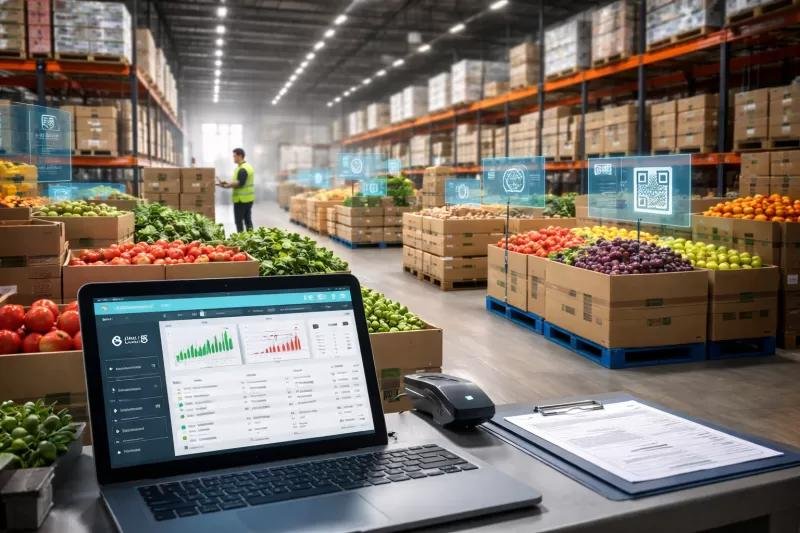
Supermarkets can use a workflow where employees receive digital orders, collect products from store shelves, and complete billing through their current POS system.
For example, a packing slip can help staff identify the required products before processing them at the counter.
The important step is testing whether the ordering workflow is compatible with the store's existing billing and inventory processes.
5. Expand Sales with Retail and Wholesale Ordering
Many independent supermarkets serve both households and local businesses.
Restaurants, bakeries, caterers, and smaller grocery shops may purchase products in larger quantities or require different pricing arrangements.
A grocery platform supporting both B2C and B2B ordering allows retailers to manage these customers through a more structured system.
Slot Store's grocery ordering platform supports customer-specific pricing, wholesale ordering, bulk discounts, and product management.
This can help supermarkets develop an additional sales channel without managing every business order manually.
A Practical 14-Day Plan to Launch Online Grocery Ordering
Introducing digital grocery ordering becomes easier when the transition is divided into manageable stages.
Week 1: Prepare Your Store
Days 1–3: Organise Your Product Catalogue
Start with frequently purchased groceries such as rice, pulses, dairy products, vegetables, and household essentials.
Days 4–5: Set Delivery Areas and Time Slots
Choose the areas your store can serve and configure realistic delivery windows based on available staff and vehicles.
Days 6–7: Test Orders and Billing
Place sample orders to check product availability, picking, packing, payments, billing, and delivery coordination.
Week 2: Introduce the Service to Customers
Days 8–10: Add In-Store Ordering Information
Display QR codes and online ordering instructions near billing counters.
Days 11–12: Encourage Initial Orders
Consider a first-order discount or delivery offer that fits your operating budget.
Days 13–14: Announce Your Online Store
Inform existing customers about the new ordering option through approved communication channels, including WhatsApp.
After launching, track delivery costs, order volumes, repeat purchases, and customer feedback to identify improvements.
Frequently Asked Questions
Can independent supermarkets compete with quick-commerce platforms?
Yes. Rather than competing only on delivery speed, supermarkets can focus on product variety, planned household purchases, customer relationships, and reliable scheduled delivery.
Is scheduled grocery delivery better than instant delivery?
Scheduled delivery can be more practical for supermarkets handling larger grocery orders. It allows stores to organise packing, control delivery capacity, and plan transportation more efficiently.
Can supermarkets sell online without marketplace commissions?
Yes. Direct ecommerce platforms can provide an alternative to commission-based marketplaces. However, retailers should still consider subscription fees, payment charges, and fulfilment expenses.
Do supermarkets need new billing software for online grocery orders?
Not necessarily. Some online ordering processes can work alongside existing POS systems. Stores should confirm the supported workflow before implementation.
Can supermarkets manage retail and wholesale customers together?
Yes. Grocery ecommerce platforms with B2B and B2C features can support household orders and business purchases using different pricing rules and quantity requirements.
How can scheduled delivery help with fresh vegetables?
Scheduled orders allow supermarkets to coordinate picking and packing with fresh stock arrivals. Appropriate storage and transport practices are still essential to maintain quality.
A Smarter Way Forward for Local Grocers
For independent supermarkets, the real opportunity lies in making online grocery shopping a natural extension of their existing business.
A successful transition starts with understanding customer buying habits, setting realistic delivery expectations, and choosing technology that simplifies daily operations.
Ready to bring your supermarket online?
Explore Slot Store to find an online grocery ordering solution that fits your business.
ready to automate your grocery orders & delivery slots?
GoSlot Store equips supermarket chains and wholesale distributors with scheduled delivery capacity windows, automated wholesale tiers, and zero sales commission.