Grocery Store Management Software in 2026: Features and Benefits
Running a grocery store involves much more than selling products. Store owners need to monitor stock, update prices, manage customer orders, and arrange deliveries while keeping everyday operations running smoothly.
As the business grows, handling everything through spreadsheets, phone calls, or WhatsApp messages becomes difficult. Orders can get missed, stock information may be outdated, and deliveries can become harder to coordinate.
This is where grocery store management software can make a difference. It helps retailers organize their daily activities and manage online sales more efficiently.
Common Challenges Grocery Retailers Face
Even a well-established grocery store can experience operational problems when order volumes increase.
Some common challenges include:
- Inventory errors: Products may appear available even when they are out of stock.
- Manual order handling: Orders received through different channels are difficult to organize.
- Pricing confusion: Retail and wholesale customers often require different prices.
- Delivery delays: Unplanned orders can create pressure on packing and delivery teams.
- Limited business visibility: Store owners may struggle to identify popular products and monitor sales performance.
Using a structured grocery management system can help businesses reduce these problems.
Essential Features of Grocery Store Management Software
1. Grocery Inventory Management
Knowing which products are available is essential for smooth grocery operations.
Grocery inventory management software helps businesses monitor stock quantities, organize products, and identify items that need replenishment.
This reduces the chances of accepting orders for unavailable products and helps retailers plan their purchases.
2. Online Grocery Ordering System
Customers increasingly value the convenience of ordering groceries online.
An online grocery ordering system allows shoppers to browse products, select quantities, and place orders directly through a store's website.
For retailers, this means fewer manually recorded orders and a more organized purchasing process.
3. Retail and Wholesale Pricing
Grocery businesses that serve both households and commercial customers need flexible pricing.
For example, a restaurant purchasing 20 kg of rice may receive a different price from a household buying 2 kg.
A B2B grocery ordering platform can support customer-specific pricing, bulk discounts, and minimum order quantities without requiring separate ordering systems.
4. Delivery Slot Management
Delivering every grocery order at the same time is not practical, especially during busy hours.
Delivery slot management allows customers to choose available delivery windows while businesses control how many orders they accept within each period.
This helps store teams plan packing and dispatch more effectively.
5. Sales Reports and Business Insights
Understanding sales performance helps retailers make better decisions.
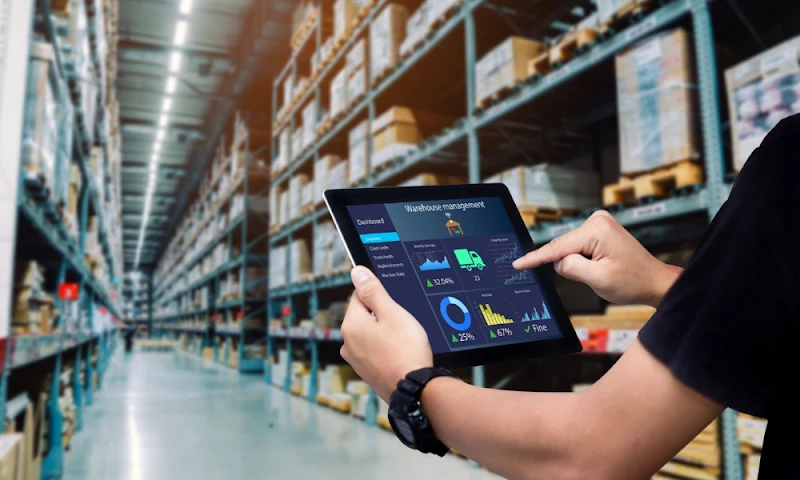
A grocery management dashboard can provide useful information about:
- Daily sales and order activity
- Fast-moving products
- Inventory availability
- Customer ordering patterns
These insights can support better stock planning and business decisions.
Managing Grocery Operations with GoSlot Store
For grocery retailers looking to build an online business, GoSlot Store provides a platform designed for grocery retail and wholesale ordering.
It brings several important functions into one system, including:
- Online grocery storefronts
- Product and inventory management
- B2B and B2C ordering
- Customer-specific and bulk pricing
- Delivery time-slot management
- Multi-location management on supported plans
Rather than depending on separate tools for online ordering and delivery coordination, businesses can manage these workflows through a more connected platform.
Explore GoSlot Store's grocery ordering platform to learn more about its features.
Choosing the Right Grocery Management Software
Before selecting software, grocery retailers should consider the way their business operates.
A small grocery shop may primarily need online ordering and basic inventory tracking. A supermarket may require advanced promotions, delivery management, and detailed sales reports.
Wholesale suppliers may need additional features such as customer-specific prices, bulk ordering, and different purchasing rules.
The right solution should support current requirements while allowing the business to expand without unnecessary complexity.
Make Grocery Store Management Easier
Managing a grocery business becomes more demanding as customer orders, product categories, and delivery requirements increase.
A suitable grocery management platform can help retailers reduce manual work, organize online orders, and improve visibility into their operations.
Want to take your grocery business online?
Explore GoSlot Store and discover tools designed for grocery retailers, supermarkets, and wholesale distributors.
ready to automate your grocery orders & delivery slots?
GoSlot Store equips supermarket chains and wholesale distributors with scheduled delivery capacity windows, automated wholesale tiers, and zero sales commission.